Foundayo Reduced Sleep Apnea Pauses by 12–13 per Hour
A 712-person study found fewer nightly breathing interruptions with Foundayo, but the sleep-apnea use still needs FDA review.
By shahzad
7 min read0 readers
In this story
Key takeaways
What happened: Two phase 3 trials found that the once-daily pill Foundayo reduced moderate-to-severe obstructive sleep apnea more than a placebo over 52 weeks.
Who may be affected: The results apply to adults with moderate-to-severe sleep apnea who were overweight or had obesity; the trials excluded people with diabetes and those with mild sleep apnea.
What to watch: Foundayo is approved for weight management, not sleep apnea. Eli Lilly says it plans to ask the FDA to approve the sleep-apnea use by the end of 2026.
A pair of randomized trials published in JAMA on November 9, 2026, found that orforglipron, sold as Foundayo, reduced sleep-related breathing interruptions by about 12 to 13 events per hour more than placebo after one year. The findings add a possible oral treatment option for some adults with excess weight and moderate-to-severe obstructive sleep apnea, but they do not change current treatment guidance or make the drug an approved sleep-apnea medicine.
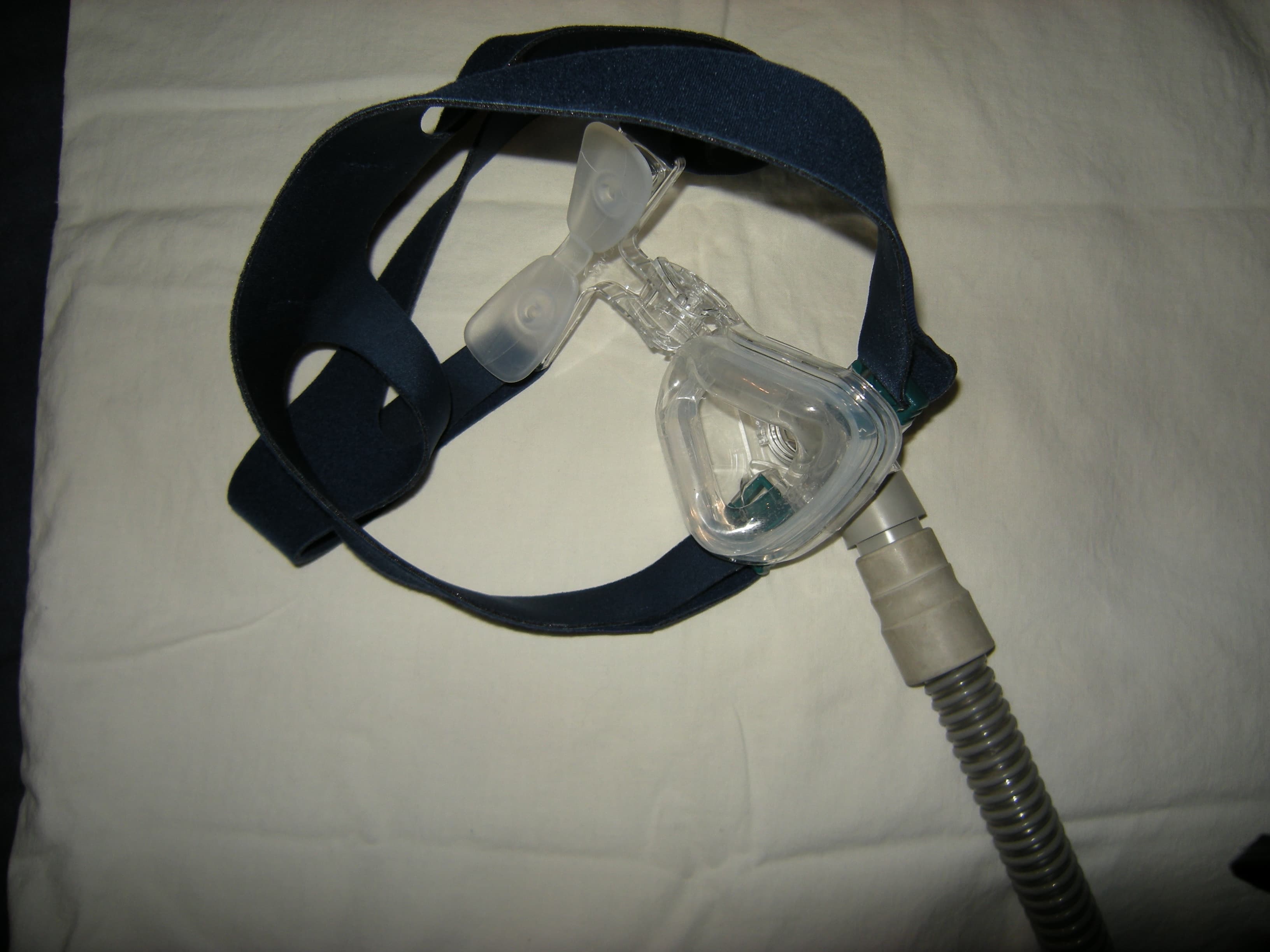
Featured image credit: Joe Mabel, Wikimedia Commons, licensed under CC BY-SA 3.0.
What did the Foundayo sleep apnea trials find?
The research, called ATTAIN-OSA, consisted of two 52-week, phase 3 randomized, double-blind, placebo-controlled trials. Together, they enrolled 712 adults with moderate-to-severe obstructive sleep apnea and a body mass index of at least 27.
One trial included 363 people who were not using positive airway pressure (PAP) therapy. The other included 349 people who were already using PAP therapy. PAP includes treatments such as continuous positive airway pressure, or CPAP, which uses a mask and steady airflow to keep the airway open during sleep.
The primary measure was the apnea-hypopnea index (AHI): the number of times per hour that breathing becomes partially or fully interrupted during sleep. At week 52, the average AHI fell by 17.8 events per hour among participants taking orforglipron in the first trial, compared with 4.5 among those taking placebo. In the second trial, the reductions were 17.3 and 5.3 events per hour, respectively.
That means the estimated difference between the medicine and placebo was 13.2 fewer events per hour in the first trial and 12.0 fewer in the second. Both differences were statistically significant, according to the paper published in JAMA.
The study also found greater reductions in body weight and in a measure of oxygen deprivation during sleep among participants receiving the medicine. The American Heart Association summarized the results as about 18 fewer breathing interruptions per hour with orforglipron, compared with about five fewer with placebo.
Read the full ATTAIN-OSA study in JAMA and the American Heart Association's research summary.
Why the results matter
Analysis: Sleep apnea is more than loud snoring. In obstructive sleep apnea, the upper airway repeatedly narrows or closes during sleep, interrupting breathing and lowering oxygen levels. The condition is associated with high blood pressure and cardiovascular problems, and it can leave people tired during the day.
The trial is notable because Foundayo is a pill, while PAP therapy requires a machine and mask during sleep. Some patients struggle to use PAP consistently, so an effective medicine could eventually broaden treatment options for people who also have excess weight.
But the trial does not show that a pill can replace a CPAP machine. The researchers and the American Heart Association said the medicine could potentially be used alongside PAP or for patients who cannot or choose not to use it. In the PAP-user trial, participants stopped PAP for seven days before the sleep tests, so the results should not be read as proof that patients can safely stop their prescribed therapy.
The study was funded by Eli Lilly, which makes Foundayo. Several listed authors were Lilly employees, and the paper includes the authors' disclosures. That does not invalidate the randomized results, but it is relevant context when weighing research sponsored by the company that could benefit from a new indication.
What should patients do now?
For now, patients should treat this as promising trial evidence, not a change to their current care.
Do not stop CPAP or another prescribed treatment because of this study. The trial was not designed to show that Foundayo can replace PAP.
Discuss sleep symptoms with a healthcare professional. Persistent snoring, witnessed pauses in breathing, gasping during sleep and daytime sleepiness can warrant an evaluation.
Ask about the full range of established options. A clinician can assess sleep-study results, weight-related health factors and whether PAP or another treatment is appropriate.
Check the approved indication before considering medication. The FDA approved Foundayo in April 2026 for long-term weight management in adults with obesity, or overweight with at least one weight-related condition. The approval does not include obstructive sleep apnea.
Lilly said it plans to submit the sleep-apnea data to the FDA by the end of 2026. The agency would still need to review the evidence before Foundayo could be prescribed specifically for that condition.
Big Zero has also covered the FDA's new eye-risk labeling warning for GLP-1 medicines, a separate safety development involving this broader class of drugs.
What is still unknown?
The trials measured outcomes over 52 weeks. They do not establish whether the benefits continue for several years, whether treatment reduces heart attacks or strokes, or how well the results apply to people outside the study population.
The participants had moderate-to-severe sleep apnea and a BMI of at least 27. People with type 1 or type 2 diabetes and people with mild sleep apnea were excluded. The study groups also included more men than women, and most participants identified as White, which limits how confidently the results can be generalized to every patient group.
The next major milestone is Lilly's planned FDA submission by the end of 2026. The FDA's review, including any decision on the approved patient group, dosing and safety information, will determine whether the trial results lead to a new sleep-apnea indication.
FAQ
Is Foundayo approved to treat sleep apnea?
No. The FDA approved Foundayo (orforglipron) in April 2026 for chronic weight management in eligible adults. Lilly says it plans to submit the sleep-apnea data to the FDA by the end of 2026, so the agency has not yet approved that use.
How much did Foundayo reduce sleep apnea events?
At 52 weeks, the average number of breathing interruptions fell by 17.8 per hour with orforglipron versus 4.5 with placebo in the trial without PAP therapy. In the trial involving PAP users, the reductions were 17.3 and 5.3 per hour, respectively.
Can people stop using a CPAP machine if they take Foundayo?
The study does not support stopping CPAP. Researchers said the medicine may eventually be an additional option or could be used with PAP, but patients should not change prescribed treatment without discussing it with their healthcare professional.
What side effects were reported?
Gastrointestinal problems were the most common adverse events, including nausea, diarrhea and constipation. They were reported more often among participants taking orforglipron than among those taking placebo, and some participants stopped treatment because of side effects.
Bottom line
Foundayo produced a meaningful improvement in sleep-apnea measurements in two 52-week trials, but the findings are not an FDA approval for sleep apnea and do not establish that the pill can replace CPAP. Patients should continue their current treatment and watch for the FDA's decision after Lilly submits its application.
Sources