
HP’s New CEO Faces an AI PC Reality Check
HP has named former GSK chief Emma Walmsley as CEO. Her January 2027 start comes as the PC maker weighs AI growth against memory costs and a pressured market.
By shahzad
6 min read1 readers

In this story
HP’s New CEO Faces an AI PC Reality Check
HP has appointed former GSK chief executive Emma Walmsley to lead the computer and printer maker from January 4, 2027. The November 4, 2026 announcement puts a leader known for managing a major corporate transformation in charge of a technology company navigating rising memory costs, a difficult PC market and growing expectations around AI-enabled computers. For businesses and individual buyers, the key question is not simply whether HP will sell more AI PCs, but whether those devices will deliver value that justifies their cost.
The appointment is confirmed; a detailed new product or AI strategy from Walmsley is not. Buyers should therefore assess current devices on practical needs and total cost rather than assume a leadership change means an immediate shift in HP’s product plans.
What happened on November 4
HP said its board unanimously selected Walmsley as chief executive, with the change taking effect on January 4, 2027. She will replace Bruce Broussard, who has served as interim CEO since February 2026. Broussard is due to become HP’s board chair, succeeding Chip Bergh.
Walmsley led pharmaceutical company GSK from April 2017 through December 2025. HP also noted that she has served on Microsoft’s board for seven years. Microsoft separately confirmed on November 4 that Walmsley would not stand for re-election to its board at the company’s December 8 annual shareholder meeting following her move to HP.
The appointment is a leadership change, not an announced acquisition or product launch. HP’s public statement describes AI as an important opportunity for the company, but it does not set out a new AI-PC roadmap, name new products or promise changes to its device lineup.

Why the appointment matters to the PC market
Analysis: Walmsley arrives at HP with experience leading a large organization through strategic change, but without a career built in computer hardware. That background could prove useful in an industry where leadership decisions involve more than launching faster machines: companies must manage supply costs, defend margins, support business customers and decide where software and services fit into the product mix.
HP’s own fiscal third-quarter results, released on August 26, offer useful context. Its Personal Systems business recorded revenue of $11.8 billion, up 18% year over year, while total unit volumes in the segment were down 16%. HP said it continued to attract customers with innovations that included AI PCs and increased its share in premium products. The figures show why revenue and unit demand need to be considered separately; they do not, by themselves, prove that AI PCs caused the revenue increase or the decline in units.
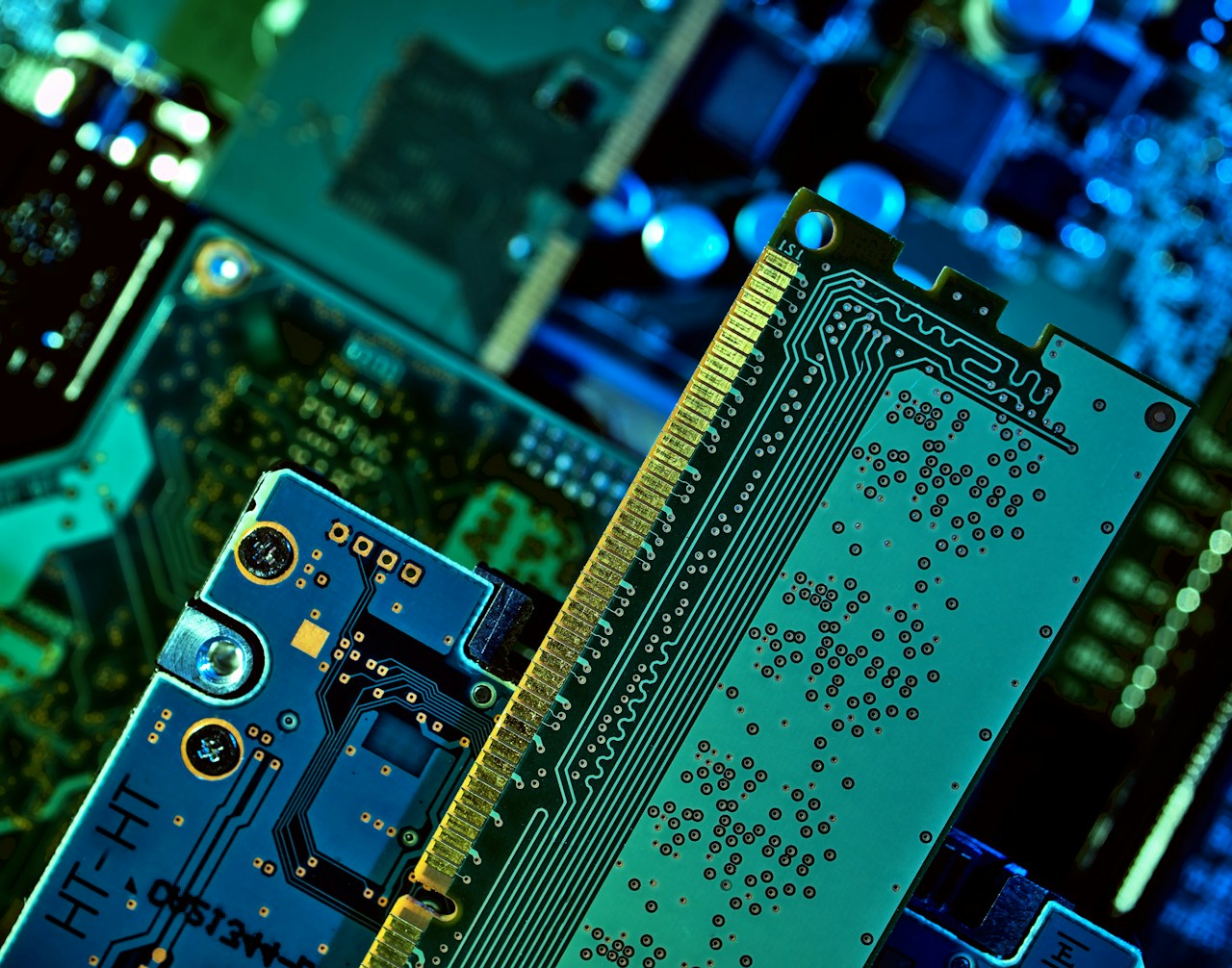
Reuters reported on November 4 that the broader PC business is contending with a memory-chip squeeze as large AI data-center projects consume supply and push up costs. Reuters also reported that Walmsley will have to steer HP through this pressure while looking for growth beyond traditional computers. That is the business challenge behind the boardroom announcement.
What the change could mean for workers and buyers
For employees and professionals choosing a laptop, the leadership announcement is not a reason to delay every purchase or rush into an upgrade. The more useful question is whether an AI-capable PC solves a real problem in the buyer’s workflow. People who mainly browse, write documents, attend video calls and use cloud-based tools may have different needs from developers, designers or analysts who run demanding workloads locally.
For employers and IT teams, the same principle applies at fleet scale. A device refresh should be tied to measurable needs such as application compatibility, security support, battery life, manageability and the expected useful life of the hardware. AI features deserve a place in the evaluation, but they should not replace those basic checks.
What to do now: a practical checklist
- Map the workload. List the applications employees actually use and identify which tasks would benefit from local AI processing rather than ordinary cloud services.
- Compare total cost. Include memory and storage configurations, support, accessories, software requirements and expected replacement timing—not only the starting price.
- Test before a large order. Run a pilot with representative users and real applications. Check performance, battery life, security controls and whether the AI features are useful enough to change daily work.
- Keep options open. Compare HP with other vendors against the same requirements. Avoid choosing a platform based only on a marketing label or a new executive’s stated ambition.
These steps are especially relevant while memory prices and PC supply remain uncertain. A smaller, evidence-based pilot can help an organization avoid committing to a costly refresh before it understands which features staff will use.
What is still unknown
HP has not yet explained how Walmsley intends to balance PCs, printing, services and software, or whether she will change the company’s approach to AI-enabled devices. The company has also not announced specific product changes tied to her appointment. Her start date is still ahead, so any detailed strategy should be treated as unconfirmed until HP publishes it.
Watch for Walmsley’s first public strategy statements after January 4, 2027; HP’s next financial updates on Personal Systems demand, margins and inventory; and announcements that clarify how the company plans to differentiate its AI PCs. For buyers, the practical signal will be evidence of useful features, reliable availability and competitive total ownership costs—not simply more AI branding.
Frequently asked questions
Who will become HP’s next CEO?
HP appointed Emma Walmsley, the former CEO of GSK, as its next chief executive. The company announced the appointment on November 4, 2026.
When does Emma Walmsley take over at HP?
HP says Walmsley’s appointment becomes effective January 4, 2027. Bruce Broussard is expected to become board chair on the same date.
Does Walmsley’s appointment mean HP is launching new AI PCs?
No new AI-PC launch was included in the appointment announcement. HP discussed AI as an opportunity, but it has not tied a new product roadmap to the leadership change.
Should businesses wait before buying new laptops?
Not automatically. Buyers should compare current devices against their software, security, performance and budget needs. A pilot is sensible for large deployments, especially when evaluating new AI features.
Why is the memory-chip market relevant to HP customers?
Memory is a key component in computers. Supply constraints and higher component costs can affect device pricing, product availability and the economics of a large hardware refresh.
The next test is execution
Walmsley’s appointment gives HP a new leader ahead of a demanding period for the PC industry. The company’s next challenge is to turn its AI ambitions into products and services customers can justify buying while managing costs and supply. For now, buyers should keep procurement decisions grounded in real workloads and wait for confirmed product details before making assumptions about what changes next.
Sources: HP’s CEO appointment announcement; Reuters’ report on the leadership change and PC-market pressures; HP’s fiscal 2026 third-quarter results; and Microsoft’s board update.
Related Big Zero coverage: how OpenAI’s Pierre deal could bring code review closer to Codex.