Axon Puts $1.2B Into Skydio, Takes 37% Stake
Axon's $1.2 billion Skydio investment adds exclusive public-safety distribution rights—and raises practical questions for police and fire departments.
By shahzad
7 min read1 readers

In this story
Key takeaways
Axon disclosed an approximately $1.2 billion investment in Skydio on November 5, 2026, and expects its fully diluted stake to rise to about 37%.
Axon is set to become Skydio's exclusive public-safety distributor in the United States and Canada, a change that could reshape how police, fire and emergency agencies buy and deploy drones.
Agencies reviewing drone programs should compare procurement terms, data governance, flight authorization, staffing and ongoing software costs—not just aircraft performance.
Axon Enterprise announced on November 5, 2026, that it would invest approximately $1.2 billion in autonomous-drone maker Skydio and become its exclusive public-safety distributor in the United States and Canada. The investment is expected to lift Axon's fully diluted ownership to about 37%, although parts of the transaction remain scheduled to close later.
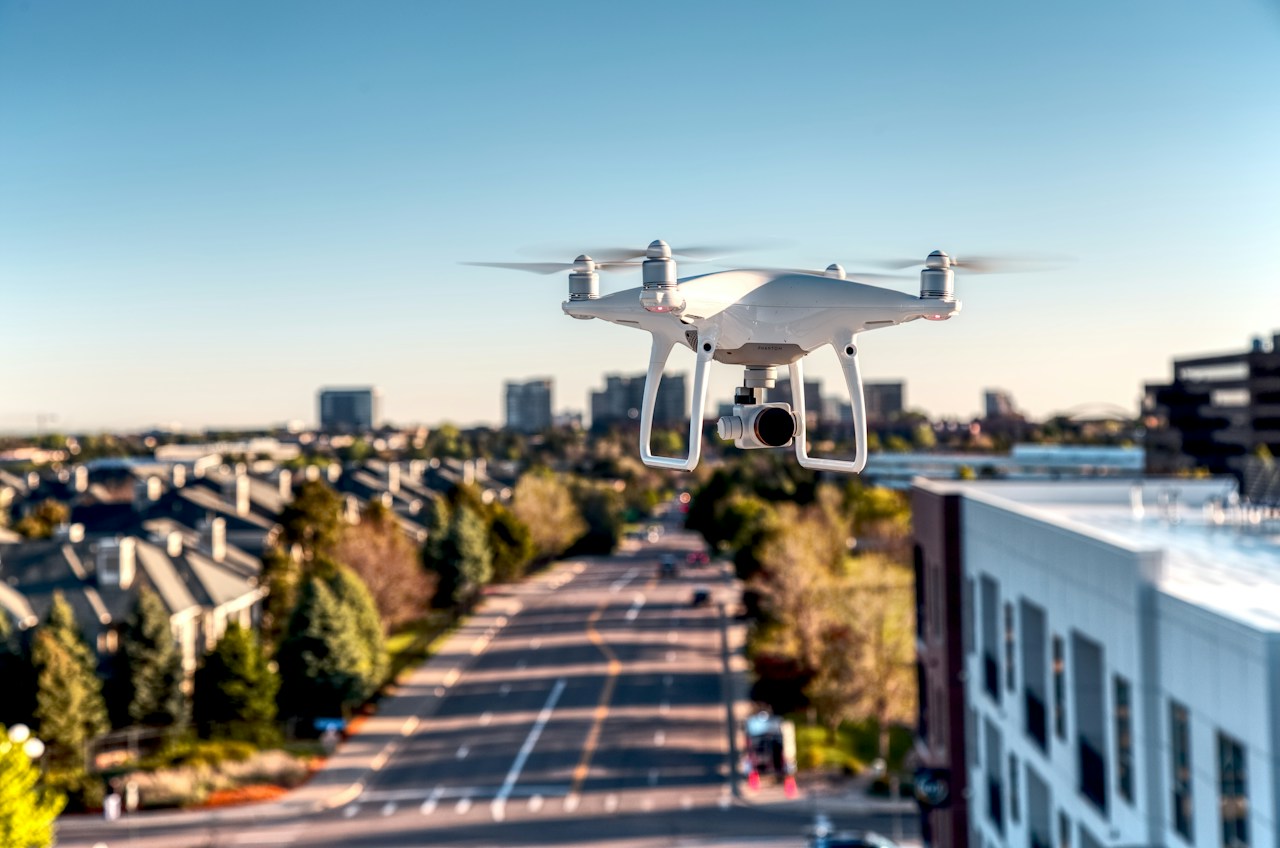
"A drone flying above an urban area. Photo by Acton Crawford on Unsplash"
What happened in the Axon-Skydio deal?
Axon's November 5 announcement combines a large investment with a wider commercial partnership. The company said the approximately $1.2 billion consideration will consist of cash and Axon stock, with the final mix subject to the transaction terms. Axon's Form 8-K filing with the Securities and Exchange Commission provides the more precise mechanics.
The filing says Axon had already completed an initial purchase on November 5: 25 million shares of Skydio Series G preferred stock for approximately $254.9 million. The remaining transactions include a tender offer and additional purchases, with portions expected to settle in the fourth quarter of 2026 and first quarter of 2027, subject to customary conditions. The filing describes the expected result as an increase in Axon's fully diluted ownership from approximately 15% at September 30, 2026, to approximately 37%.
The commercial change is just as significant. Axon says it will become Skydio's exclusive distributor for public-safety customers in the U.S. and Canada. That places Axon in a stronger position to sell and integrate Skydio aircraft with its existing public-safety hardware and software relationships.
Skydio makes autonomous drones—aircraft that use onboard software and sensors to assist with flight and navigation. Its systems are used by public-safety and other organizations. Axon says Skydio serves more than 1,500 public-safety customers.
Independent reporting from Reuters on November 5 also described the investment and exclusive distribution arrangement. Reuters reported that Axon's shares fell in extended trading after the company lowered its annual revenue-growth forecast and missed analysts' third-quarter profit expectations. That market reaction is a separate part of the story: the Skydio investment is a long-term strategic bet, while Axon's near-term financial outlook remains relevant to investors.
Why does the exclusive distribution deal matter?
Analysis: The deal is more than a capital injection into a drone manufacturer. It connects a major public-safety technology vendor with a drone maker whose aircraft can become part of a broader response system.
A drone dispatched after an emergency call can give responders an aerial view before ground teams arrive. That may help them understand a scene, locate a person or identify hazards. But a drone does not replace dispatchers, firefighters, police officers or other trained responders. Its value depends on whether an agency can launch it safely, interpret the video and act on what it sees.
Axon says that at agencies using its Drone as First Responder program, priority response times have fallen by as much as 65%, and drones arrive before officers on roughly 80% of calls where they are deployed. Those are company-reported figures, not a universal result or an independently established guarantee for every department. Agencies should ask for local performance data and the methodology behind any vendor's claims.
The partnership could also make purchasing simpler for agencies that already use Axon's products. A more integrated sales and software relationship may reduce friction, but it can also make a department more dependent on one vendor. Buyers should assess interoperability, contract length, data portability and exit costs before committing.
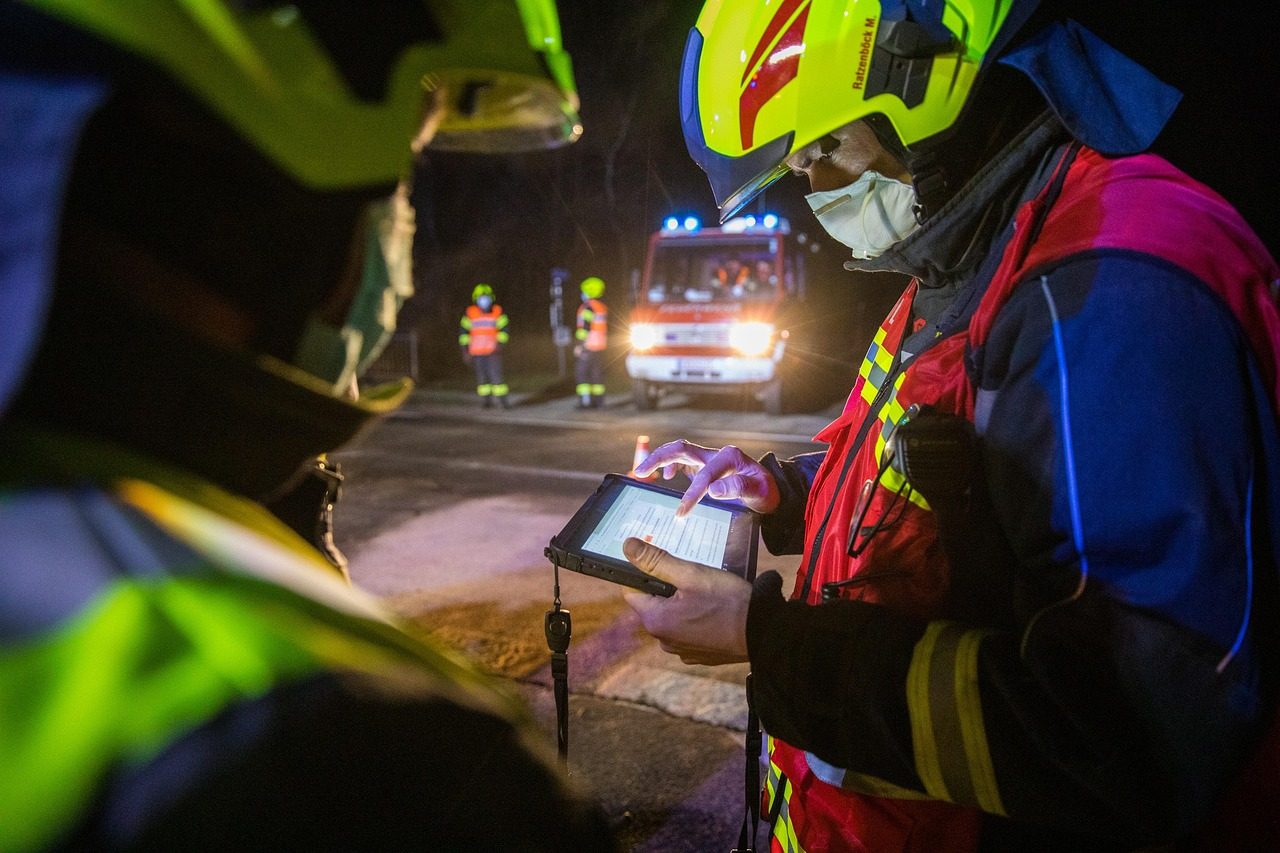
"Firefighters reviewing information on a tablet. Photo by Kollinger on Pixabay"
What should public-safety agencies do now?
Departments considering a drone program should treat the announcement as a reason to review options—not as a reason to rush into a purchase. The distribution agreement does not by itself establish the price, availability or terms each agency will receive.
A practical review should cover:
Procurement and support: Ask whether new purchases, service, repairs and replacement aircraft will be handled through Axon, and how existing direct agreements with Skydio will be treated.
Total cost: Compare aircraft, docks, connectivity, software subscriptions, maintenance, training, insurance and staffing over the full contract term.
Data and privacy: Get clear written answers about video retention, access controls, sharing with other agencies, audit logs, public-records requests and deletion.
Operational limits: Confirm who can authorize flights, what happens when weather or connectivity is poor, and how the department handles restricted airspace and emergency overrides.
Evidence of value: Request references from agencies with similar call volumes and geography. Separate response-time improvements from outcomes such as arrests, rescues or reduced injuries.
A department should also ask whether it can export its video and operational records in usable formats if it changes vendors. That question matters whenever hardware, software and evidence-management systems are bundled together.
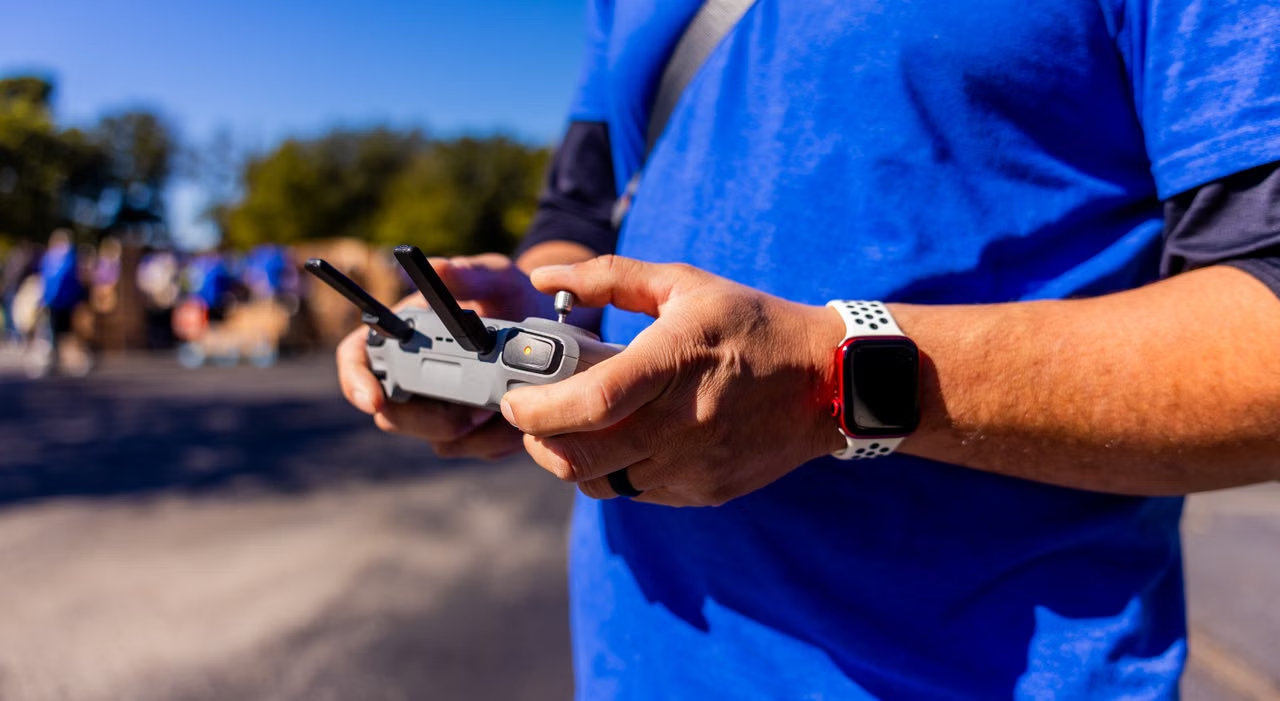
"A person operating a drone controller outdoors. Photo by Caleb Oquendo on Pexels"
What is still unknown, and what happens next?
The full investment has not yet closed. Axon's filing says the initial purchase closed on November 5, while the remaining transactions are expected to occur in stages, including a tender offer expected to begin within ten business days of the initial closing. The company expects parts of the transaction to settle in the fourth quarter of 2026 and first quarter of 2027.
The precise effect on existing Skydio customer contracts is also not fully explained in the public announcement. Agencies with current agreements should seek written clarification rather than assume that their renewal, support or purchasing arrangements will automatically change.
The companies have not established that every public-safety agency will see the response-time improvements Axon cites. Local results will depend on staffing, dispatch procedures, geography, flight rules, weather, network coverage and how quickly personnel can act on incoming information.
Investors will also be watching whether Axon can fund the investment while meeting its revised financial outlook. Reuters reported that Axon lowered its full-year 2026 revenue-growth forecast, citing the exclusion of three federal Dedrone deployments totaling about $130 million. That forecast issue should not be confused with the Skydio deal's expected long-term benefits.
FAQ: Axon’s investment in Skydio
How much is Axon investing in Skydio?
Axon announced an investment of approximately $1.2 billion on November 5, 2026. Its SEC filing says the consideration is expected to include approximately 60% cash, or about $720 million, with the remainder in Axon stock, subject to final transaction terms.
What percentage of Skydio will Axon own?
Axon expects its fully diluted ownership to increase to approximately 37%, from about 15% as of September 30, 2026. The final result depends on completion of the remaining transactions.
Will Axon become Skydio’s only public-safety distributor?
Axon says it will become Skydio's exclusive public-safety distributor in the United States and Canada. The public announcement does not spell out every detail of how existing direct customer agreements will be handled.
Are Skydio drones replacing emergency responders?
No. Drone as First Responder programs use aircraft to provide additional information to human responders. Agencies still need trained personnel to authorize flights, interpret information and make operational decisions.
When will the investment be complete?
The initial purchase closed on November 5, 2026. Axon expects the remaining transactions to close during the fourth quarter of 2026 and first quarter of 2027, subject to customary closing conditions.
Bottom line
Axon's $1.2 billion Skydio investment could accelerate the use of drones in public-safety operations while giving Axon a stronger role in how agencies buy them. For departments, the next step is to request written details on distribution, existing contracts, data handling and full program costs before making procurement decisions.