Google Plans $17B Wyoming Data Center With 702 MW Power
Google's first Wyoming data center brings a $17 billion investment, a 702 MW fuel-cell plan and open questions on timing and carbon capture.
By shahzad
7 min read0 readers
In this story
Key takeaways
Google announced a long-term $17 billion investment in its first Wyoming data center, planned for Laramie County.
The power plan includes a 702-megawatt natural-gas fuel-cell development with carbon capture and storage. Google says the data center will be air-cooled.
Residents and businesses should watch the construction schedule, power-cost arrangements, water disclosures and evidence behind the carbon-capture claims.
Google announced on November 5, 2026, that it plans a long-term $17 billion investment to build its first data center in Wyoming, in Laramie County. The project is tied to a planned 702-megawatt fuel-cell power development and Google's pledge to pay for the electricity it uses and infrastructure directly driven by its growth. The full construction schedule and several energy details remain undisclosed.
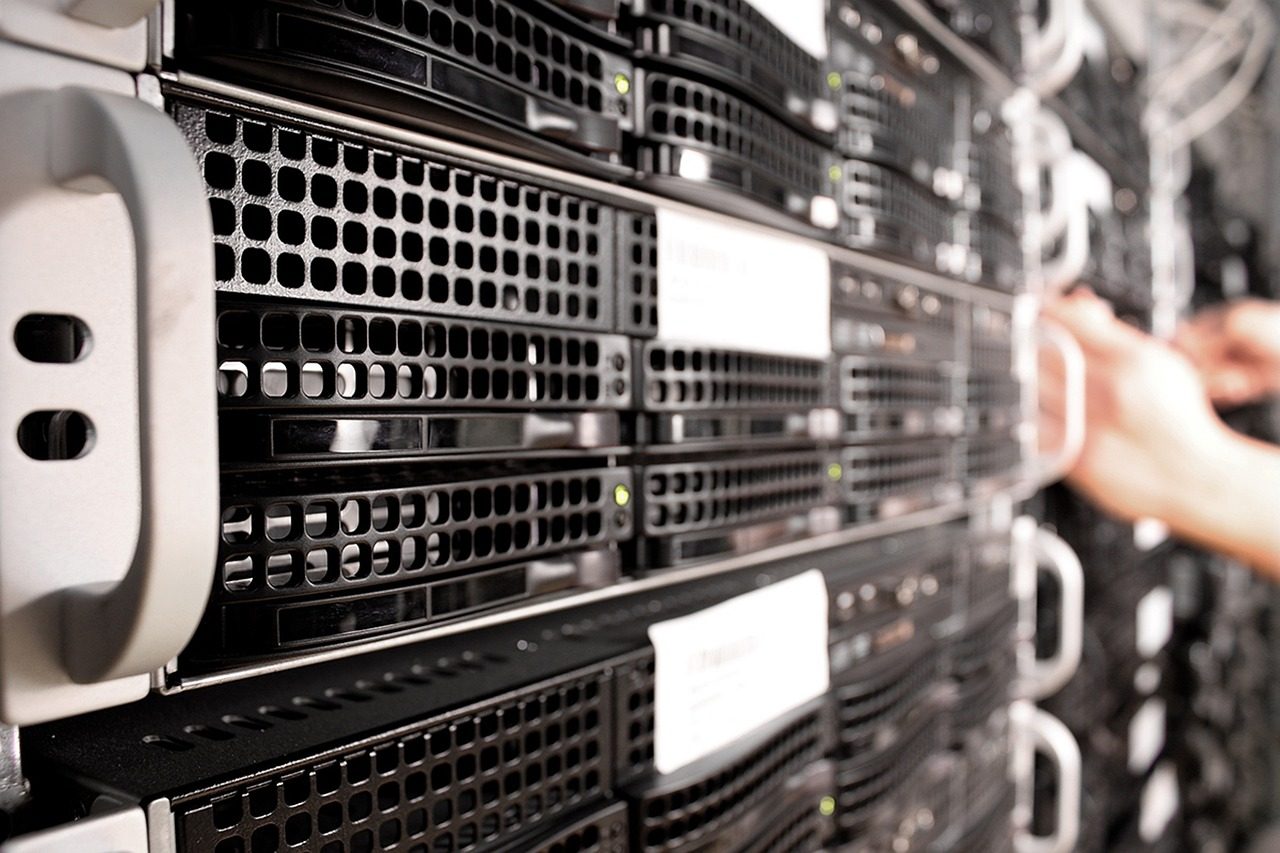
"A technician works beside a row of server racks. Photo by ColossusCloud on Pixabay"
What did Google announce in Wyoming?
Google says its first Wyoming data center will be built in Laramie County, southeast of Cheyenne. Its partners include Tallgrass Energy, Black Hills Energy, American Electric Power (AEP) and Related Digital.
The power plan combines a fuel-cell development contracted with AEP and electricity from natural-gas generators operated by Tallgrass and Black Hills. Google says the fuel cells will use natural gas and generate electricity through an electrochemical process.
AEP disclosed the 702-megawatt power project on October 14, 2026. In its Cheyenne project announcement, AEP said it plans to invest approximately $4 billion under a 20-year power-purchase agreement with Google. AEP planned to start construction in 2026 and expects the facility to be fully operational by the end of 2028. That is the power plant's target—not a confirmed opening date for Google's data center or the full $17 billion buildout.
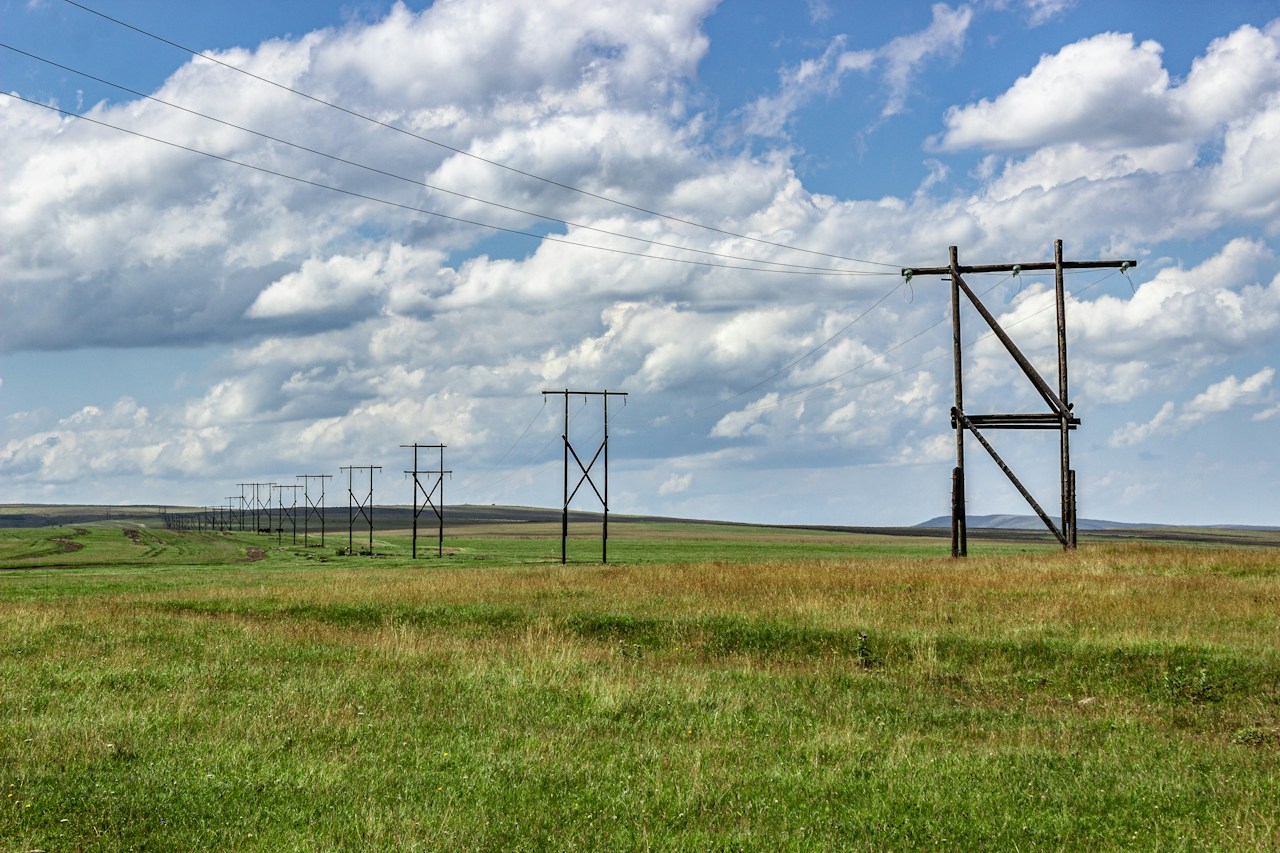
"Power lines crossing an open field. Photo by German Von Brox on Unsplash"
Google says carbon-capture technology will collect and permanently store a large majority of the fuel-cell project's emissions at Tallgrass Energy's nearby Eastern Wyoming Sequestration Hub. The company has not published a specific capture percentage in its November 5 announcement.
Google also says the data center will be air-cooled to limit pressure on local water resources. It has pledged to pay for 100% of the power it uses and infrastructure needs directly caused by its growth. The company expects hundreds of millions of dollars in property taxes for Laramie County and School District 1 and says the project will support thousands of jobs. Those are company projections; it has not broken down permanent roles, temporary construction work or the timing of tax receipts.
WyoFile's November 5 report said Google had not disclosed a timeline for the first facility or the wider investment. The local outlet also reported broader debate over data center growth in Wyoming.
Why does the project matter for power, water and local costs?
Analysis: The key question is not only how much Google plans to invest, but how the data center's energy and infrastructure needs will be met—and who pays for them.
The 702-megawatt fuel-cell development gives the project a dedicated long-term power arrangement. But the companies have not published the full commercial terms or the eventual price Google will pay for electricity. Residents can look to utility filings and regulatory records for more detail on how costs are allocated.
The fuel cells should not be described as zero-emission power. They use natural gas, while carbon capture is intended to store a large share of emissions. Data Center Frontier's technical reporting said the capture rate and final configuration had not been specified in the public information it reviewed.
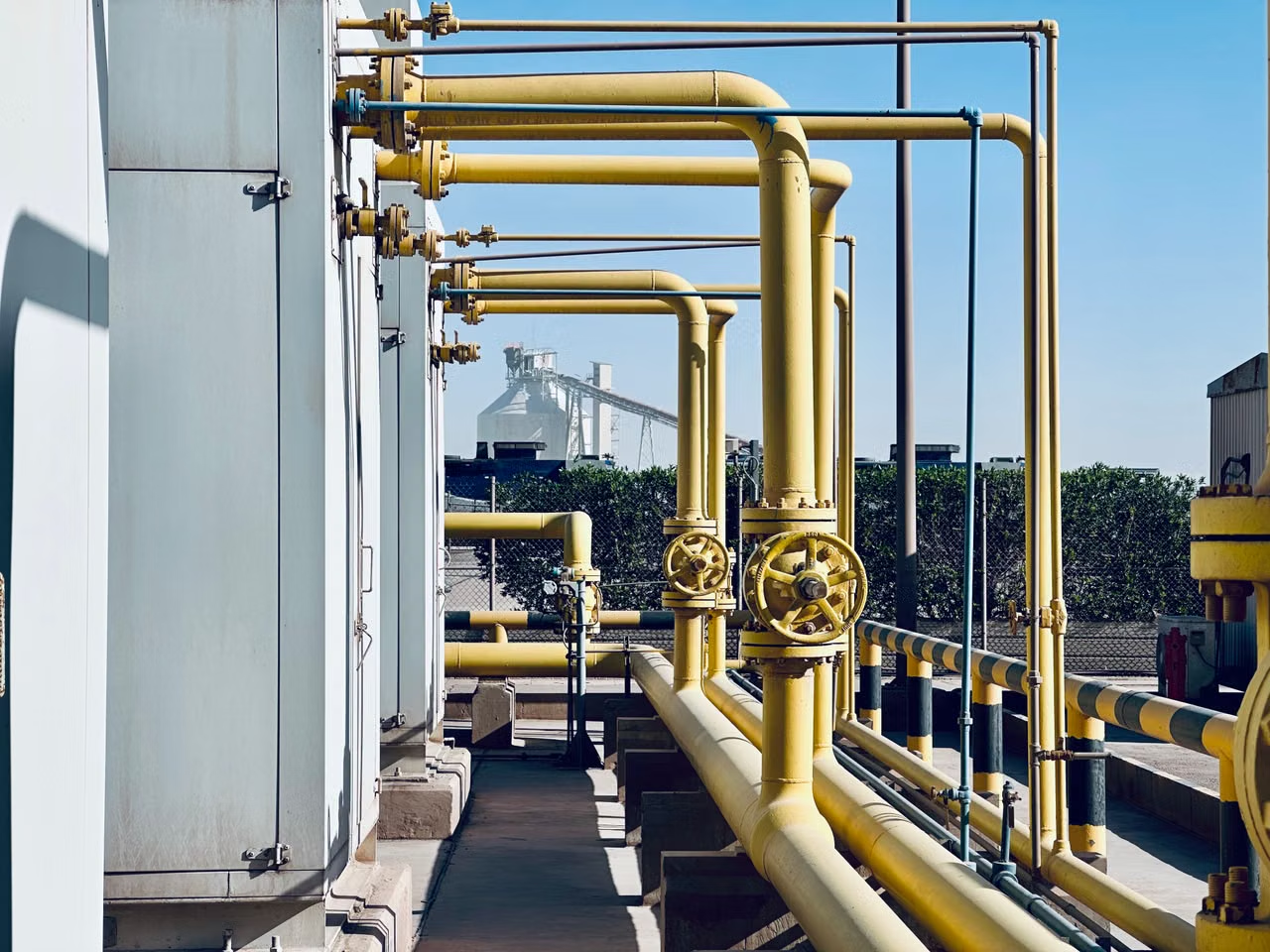
"Industrial piping at an energy facility. Photo by Mumtaz Niazi on Pexels"
Water is another issue. Google says air cooling will minimize strain on local resources, but its announcement does not provide a site-level water budget or a full account of water use across the energy system. Cooling, fuel supply, power generation and carbon storage should be evaluated separately.
The project also fits a wider debate about who bears the costs of AI infrastructure. Big Zero has covered OpenAI's commitments on data center power and local infrastructure and Dropbox's investment in AI storage infrastructure. Google's Wyoming project is separate, but it raises similar questions about energy demand and local accountability.
What should Wyoming residents and businesses watch now?
Residents, utility customers and local businesses can use the announcement as a checklist for the next phase:
Track permits and construction dates. Do not treat AEP's end-of-2028 power-plant target as Google's confirmed data center opening date.
Ask what the power pledge covers. Google says it will pay for electricity it uses and infrastructure directly driven by its growth. Ask utilities and regulators how those costs will be measured and separated from other customers' costs.
Request water and carbon data. Look for projected water demand, cooling details, carbon-capture rates, monitoring and storage verification.
Check job quality and timing. Seek a breakdown of construction jobs, permanent roles, local hiring, trade training and contractor opportunities.
Follow the community process. Google says it and its partners are forming a Community Council. Watch for its membership, meeting schedule and public materials.
Local suppliers may find opportunities in construction, electrical work, maintenance and logistics, but should wait for procurement schedules and qualification requirements before counting on contracts.
What is still unknown, and what happens next?
Google has not published a full construction schedule for the data center, a phase-by-phase plan for the $17 billion investment or a breakdown of permanent and temporary jobs.
The exact carbon-capture percentage is unknown. Google says a large majority of emissions from the fuel-cell project will be captured and stored, but has not quantified that claim. It is also studying whether carbon capture could be added to Tallgrass's combined-cycle turbines; that work is separate from the fuel-cell installation.
AEP expects the 702-megawatt fuel-cell facility to be fully operational by the end of 2028. That milestone does not confirm when Google's data center will open or when the full investment will be deployed. Permits, utility filings, construction updates and carbon-storage disclosures should provide the next meaningful evidence.
FAQ: Google's Wyoming data center
Where will Google's Wyoming data center be built?
Google says the project will be in Laramie County in southeast Wyoming, near Cheyenne. Related Digital and three energy companies are named as partners.
How much is Google investing?
Google announced a long-term investment of $17 billion in Wyoming. It has not published a complete schedule showing how that amount will be spent across construction phases.
What will power the data center?
The plan includes a 702-megawatt natural-gas fuel-cell development under a 20-year agreement with AEP, plus electricity from gas generators operated by Tallgrass and Black Hills. Google says carbon capture and storage will be used for the fuel-cell project.
When will the project be finished?
Google has not announced a confirmed completion date for the data center or the full investment. AEP expects the separate fuel-cell facility to be fully operational by the end of 2028.
Bottom line
Google's Wyoming plan combines a $17 billion data center investment with natural-gas power, carbon-capture plans and promises on electricity costs and local infrastructure. Residents and businesses should follow permits and utility filings, then judge the project by published schedules and measurable commitments—not the headline investment alone.